
Leadership

Monika Safford, MD
Cornell Center for Health Equity
Co-Director
John J. Kuiper Professor of Medicine
Weill Cornell Medicine
Director of Research, Division of General Internal Medicine
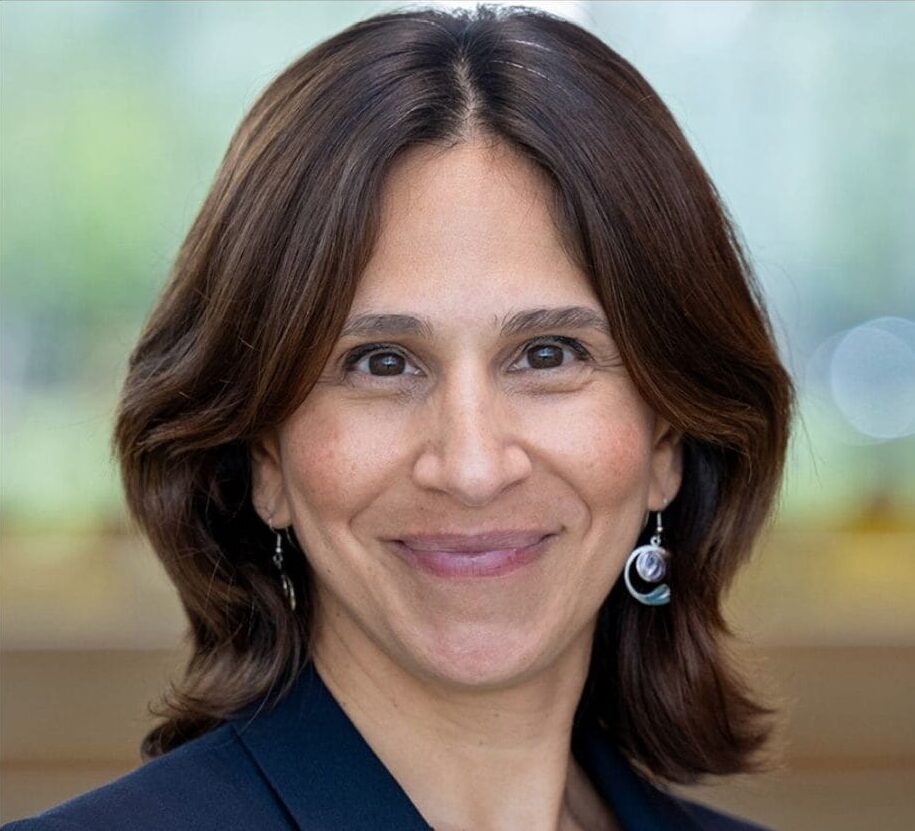
Lara Parrilla, MPH
Cornell Center for Health Equity
Co-Director
Cornell University Department of public and ecosystem health
Visiting Lecturer, Master of Public Health
Cayuga Health Partners
Director of Health Equity

Gen Meredith, DrPH, MPH
Cornell Center for Health Equity
Co-Director
Cornell University Department of Public & Ecosystem Health
Associate Director, Master of Public Health, Program Professor of Practice
Cores
Community Engagement and Advocacy

The Community Engagement & Advocacy Core focuses on developing partnerships with community-based organizations to address the inequities in health outcomes among vulnerable populations throughout New York City and New York State. We aim to foster a relationship characterized by mutuality, equality of status, clearly defined goals, and effective communication. Additionally, we aim to fully integrate key stakeholders in collaborative research and outreach programs that will generate new evidence and achieve health equity.
Education

The Education Core is led by Co-directors who oversee educational programs related to health equity on both Cornell University and Weill Cornell Medicine campuses.[BW1] The Education Core in NYC focuses on engaging Underrepresented in Medicine (URM) populations to pursue health-related professions through the Diversity Center of Excellence [link to new Diversity Center of Excellence landing page on CCHEq site]. The Education Core in Ithaca engages with the CCHEq Student Chapter [add hyperlink]. This core offers career mentoring, internship opportunities, and racial allyship training, and encourages collaboration between faculty, students, and community partners interested in health equity.
Research

The Research, Training & Mentoring Core advances a robust research and outreach agenda informed by current gaps in health disparity assessments. These gaps include better understanding of disparities in heart disease, stroke, and cancer outcomes, as well as the role of policy, societal biases, healthcare providers, and the home and family environment in overcoming them. Community-based research efforts make clear that more information is needed about the most vulnerable groups and to better assess these groups’ most urgent needs for assistance. The Center’s research is vital in order to pursue and affect systemic progress in health equity. This core includes a Pilot Grant Program to seed larger research projects, an NIH Grant Development Program, and an annual Health Equity Symposium to both showcase the Center’s work and forge new connections for future collaborations.
